The Intergenerational Feminist Forum (IGFF) convened its third nationwide annual meeting of the Anupam Abhiyan campaign from 24 to 26 March 2026 at Padmalaya, Nawalpur district. The campaign, which entered its third year in 2025, focuses on ensuring women’s political participation at all levels of the state. A significant milestone in 2025 was the coordinated signature handover, urging political parties to commit to 50 percent women’s representation in the 2027 elections. However, Nepal’s political trajectory shifted unexpectedly due to the Gen-Z Jana Andolan, a youth-led movement that disrupted electoral timelines and prompted early elections, highlighting the persistent underrepresentation of women, who constituted only 11.34 percent of First-Past-the-Post candidates.
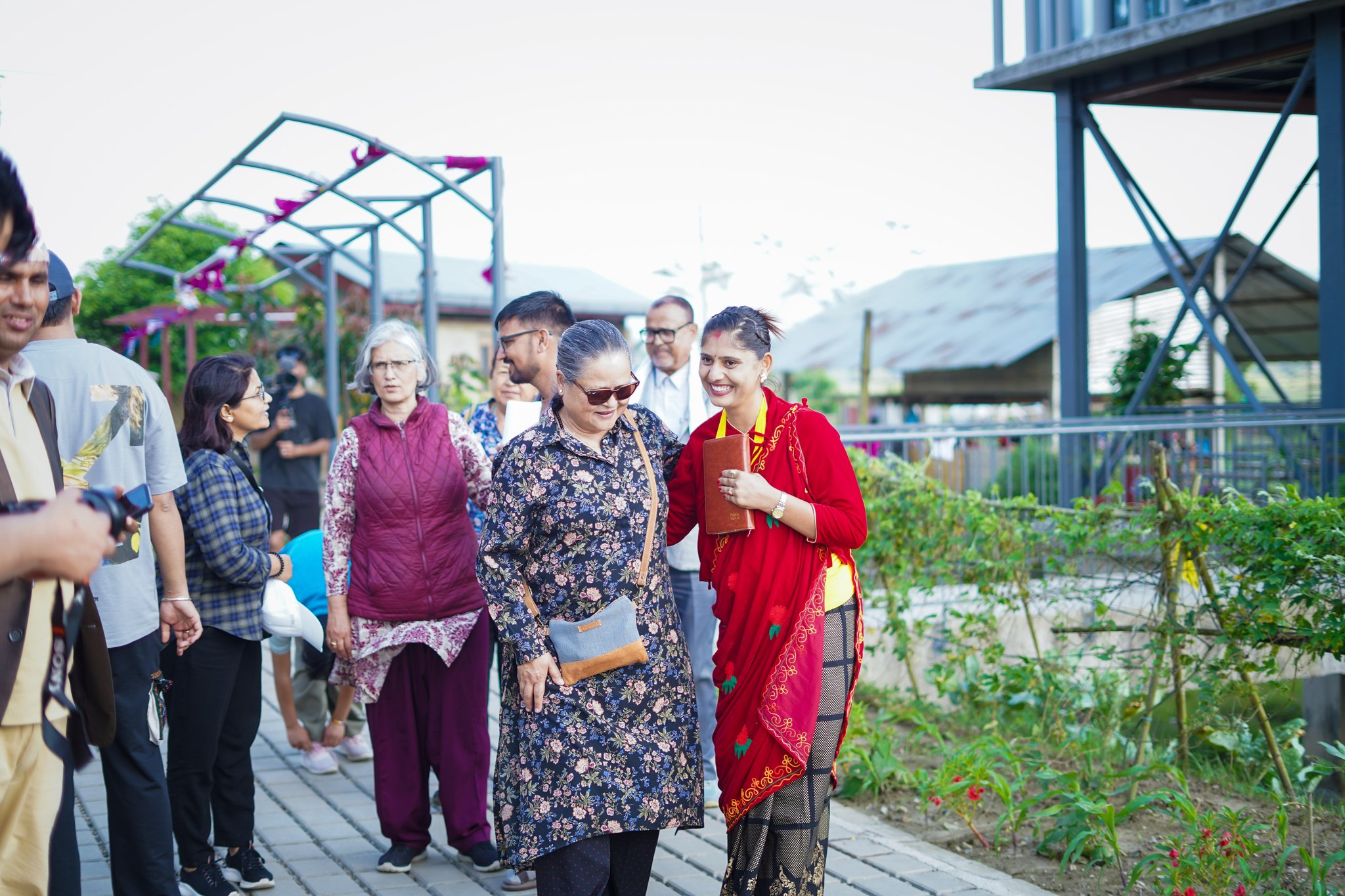
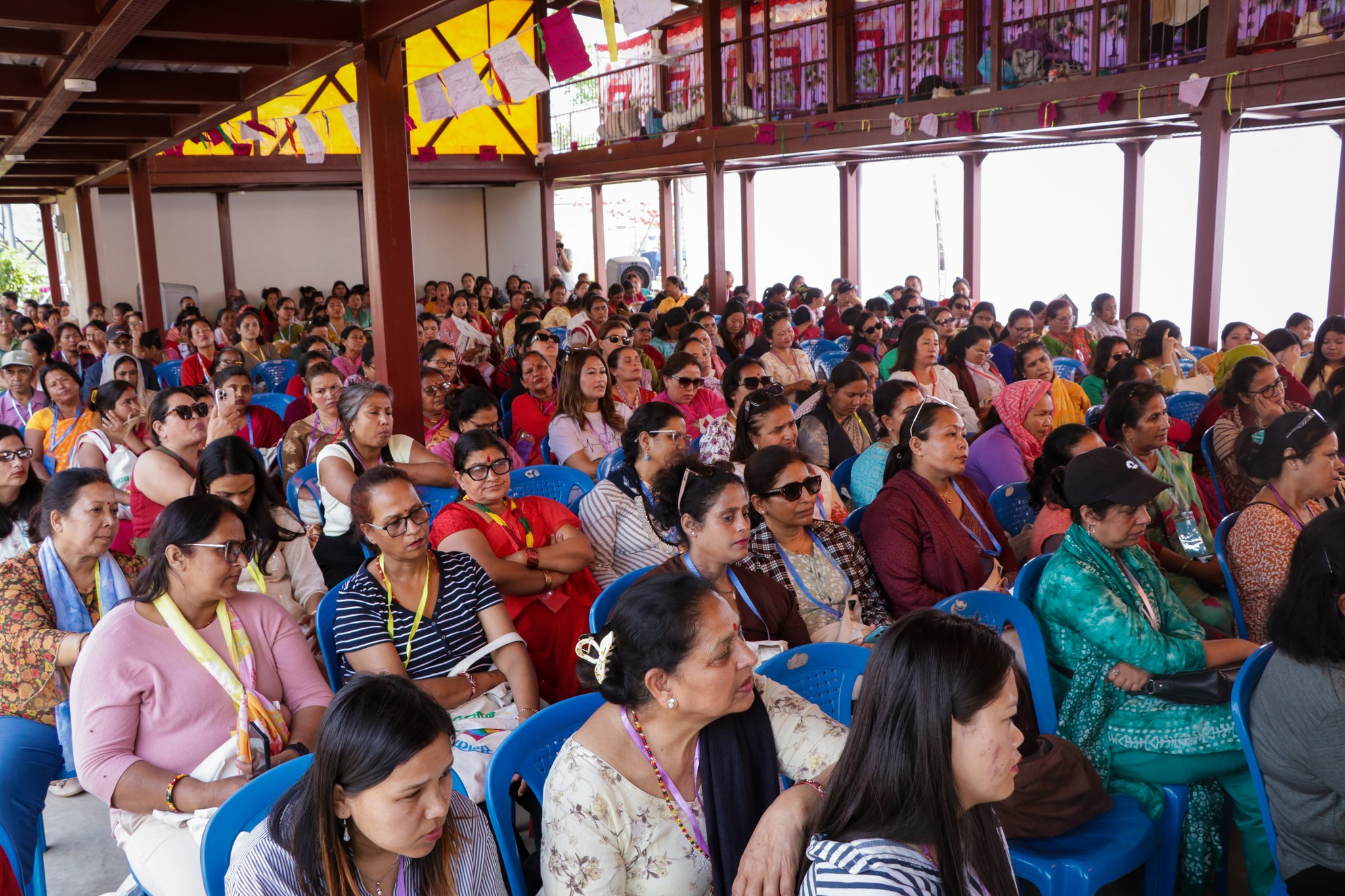
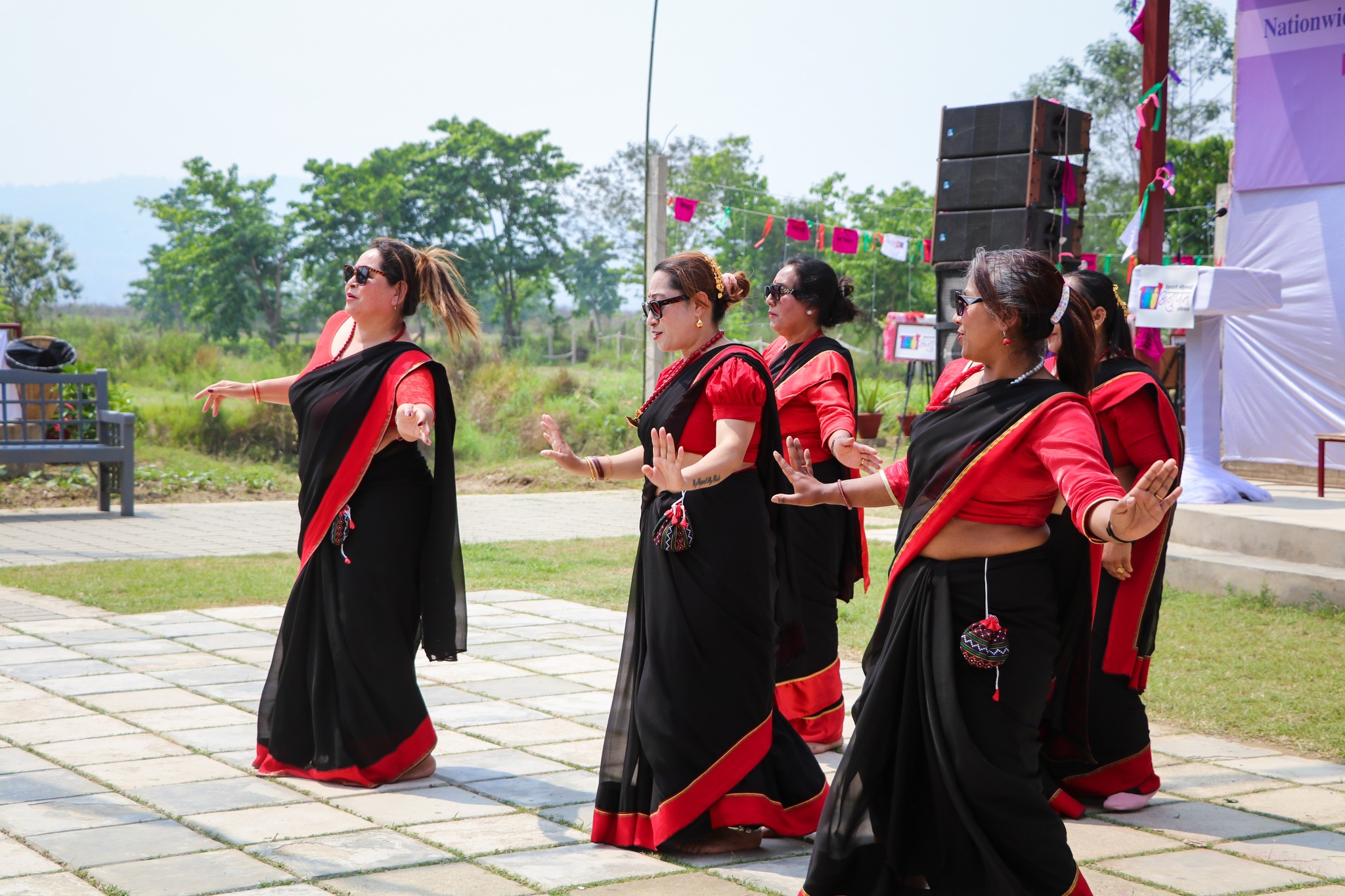
The convening brought together 503 associates from 53 districts across all seven provinces of Nepal, reflecting the diversity and breadth of the IGFF network. The opening day began with registration, settlement, and refreshments, followed by a welcome session hosted by the Nagarik Aawaz–Padmalaya team under Executive Director Dr. Susan Risal. Participants were introduced to the vision of Padmalaya as a peacebuilding center, followed by motivational addresses and cultural performances by local youth. A key highlight was the formal leadership handover ceremony, where new co-coordinators Saloni Pradhan Singh and Amuda Mishra assumed responsibilities from outgoing co-coordinators Laxmi Ghalan and Stella Tamang. Reflections from both outgoing and incoming leaders emphasized continuity, shared responsibility, and a renewed commitment to feminist leadership. The day concluded with an informal naumati baja session, which encouraged bonding and collective celebration.
The second day combined reflective practices, dialogue, and political analysis. Morning activities included yoga led by Doma Bajracharya and a puja around the newly consecrated stupa led by Steering Committee member Stella Tamang. Participants shared their experiences and reflections on recent elections and the broader political environment, emphasizing that women and marginalized groups must actively claim rights rather than wait for them. Discussions highlighted the progress of marginalized groups, including Madhesi women, while noting contradictions in feminist spaces where advocacy often fails to translate into personal or political action. Participants expressed the importance of solidarity across social and political differences and recognized that collective support is essential for women to enter and succeed in political arenas.
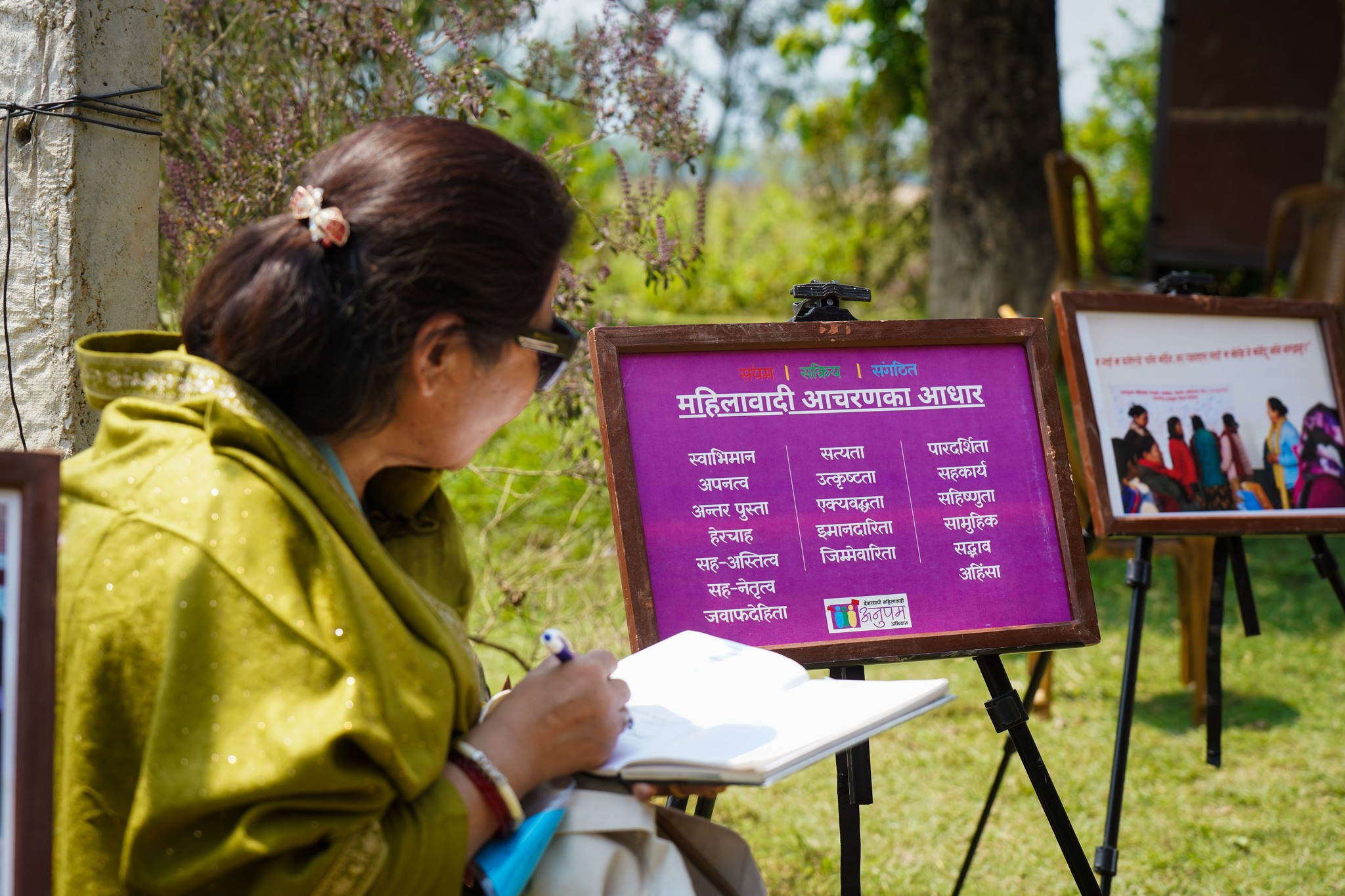
The IGFF Secretariat presented an overview of its work over the past year, highlighting support provided to women candidates and the organization’s commitment to feminist principles and transparency. Reflections led by Dr. Susan Risal examined structural barriers that limit women’s participation in direct elections despite constitutional provisions, while Freedom Studio showcased visual documentation of IGFF’s advocacy efforts, emphasizing the importance of media and storytelling in sustaining the movement.
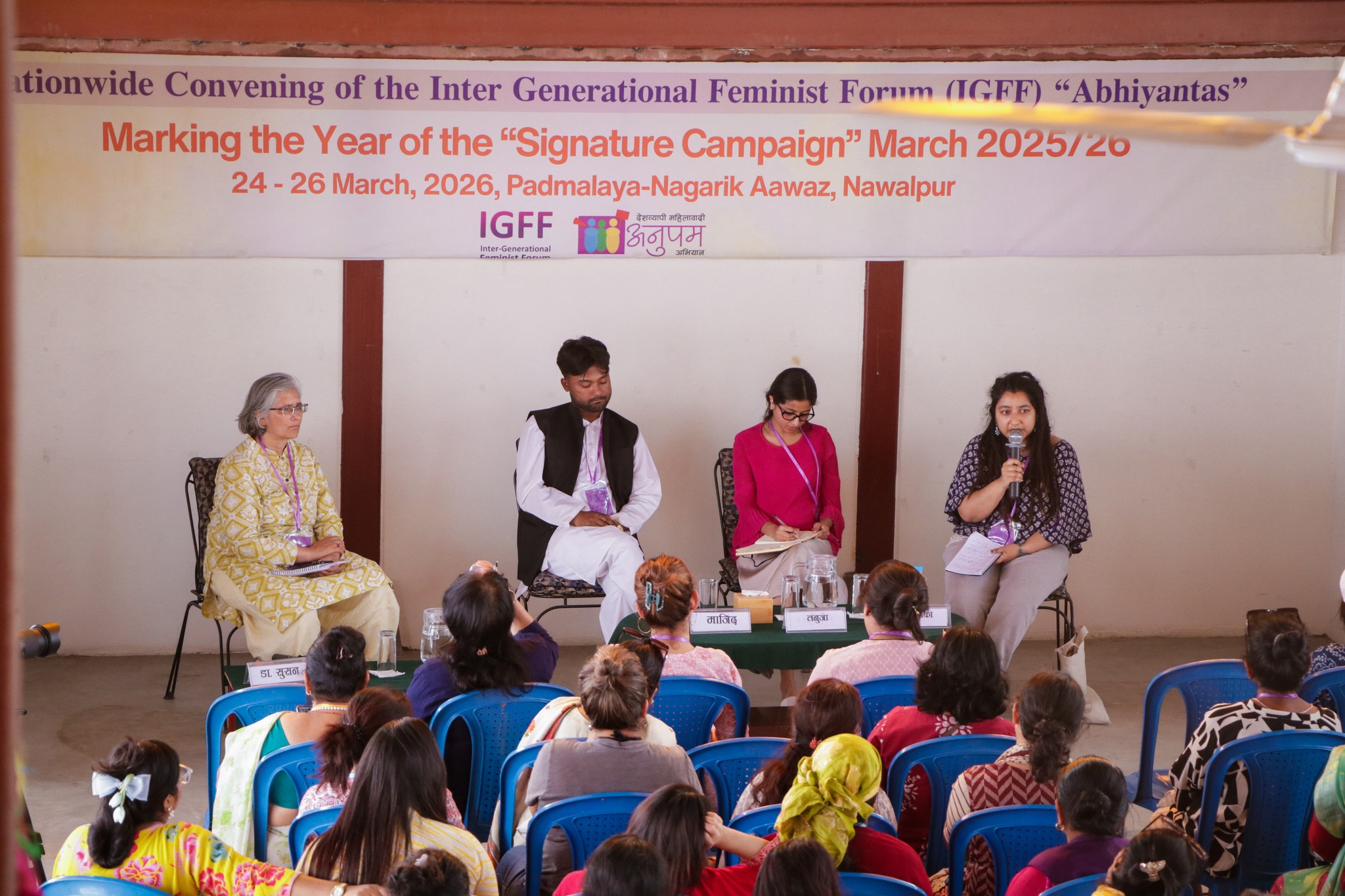
Plenary sessions provided deeper political and strategic engagement. Gen Z youth leaders from the recent people’s movement, moderated by Dr. Susan Risal, analyzed the distribution of power, control of resources, and systemic corruption in Nepal. They highlighted challenges such as restrictions on communication, social media bans, and insufficient voter awareness, which collectively undermine democratic participation. The discussion emphasized the need for transparency, informed voting, and active civic engagement. In a parallel plenary session, women candidates shared firsthand experiences of contesting elections, illustrating challenges including logistical barriers in rural and mountainous constituencies, lack of voter education, limited financial resources, and pervasive gender bias. The session underscored the importance of economic independence, training, and mentorship, as well as the need for positive solidarity among women across political lines. Expert analysis by Dr. Indra Adhikari contextualized these experiences and offered strategic insights for future participation.
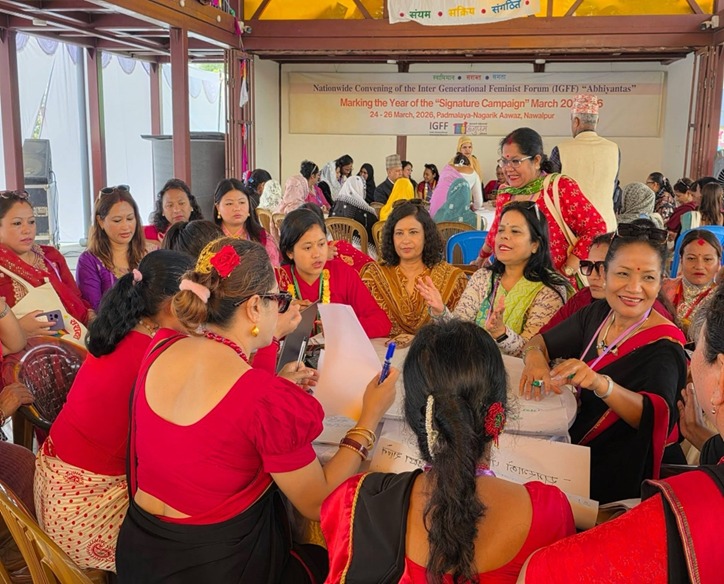
The final day focused on strategy, planning, and action-oriented commitments. Province-wise group discussions allowed participants to critically assess their readiness for political engagement and develop concrete strategies for contesting elections. Twenty-seven participants publicly pledged their candidacy in upcoming elections, signaling a significant step from advocacy to action. The discussions emphasized building trust with constituencies and political parties, developing leadership and technological skills, enhancing economic independence, and strengthening networks to include marginalized communities such as Dalits, Muslims, and LGBTQI individuals. Participants collectively affirmed the long-term goal of achieving 50 percent women’s representation in leadership positions in the 2027 elections.
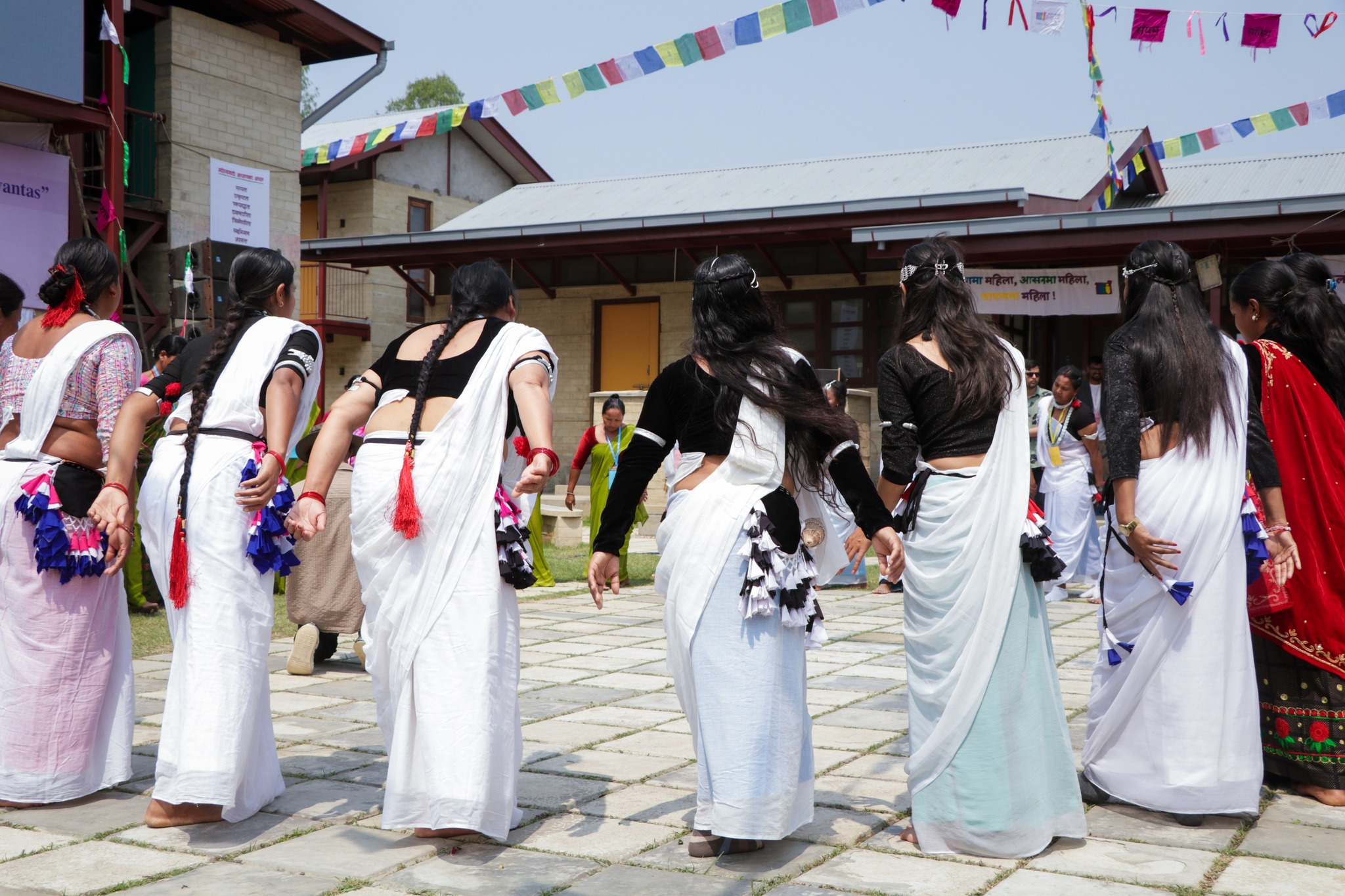
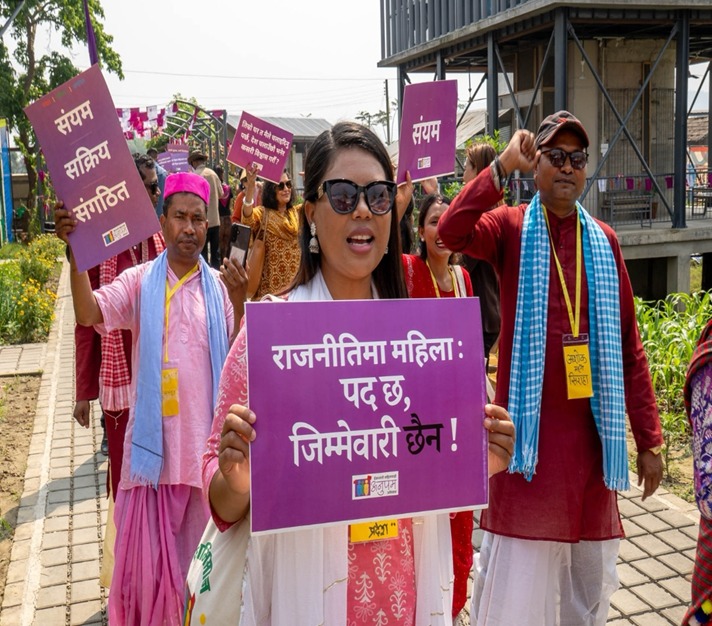
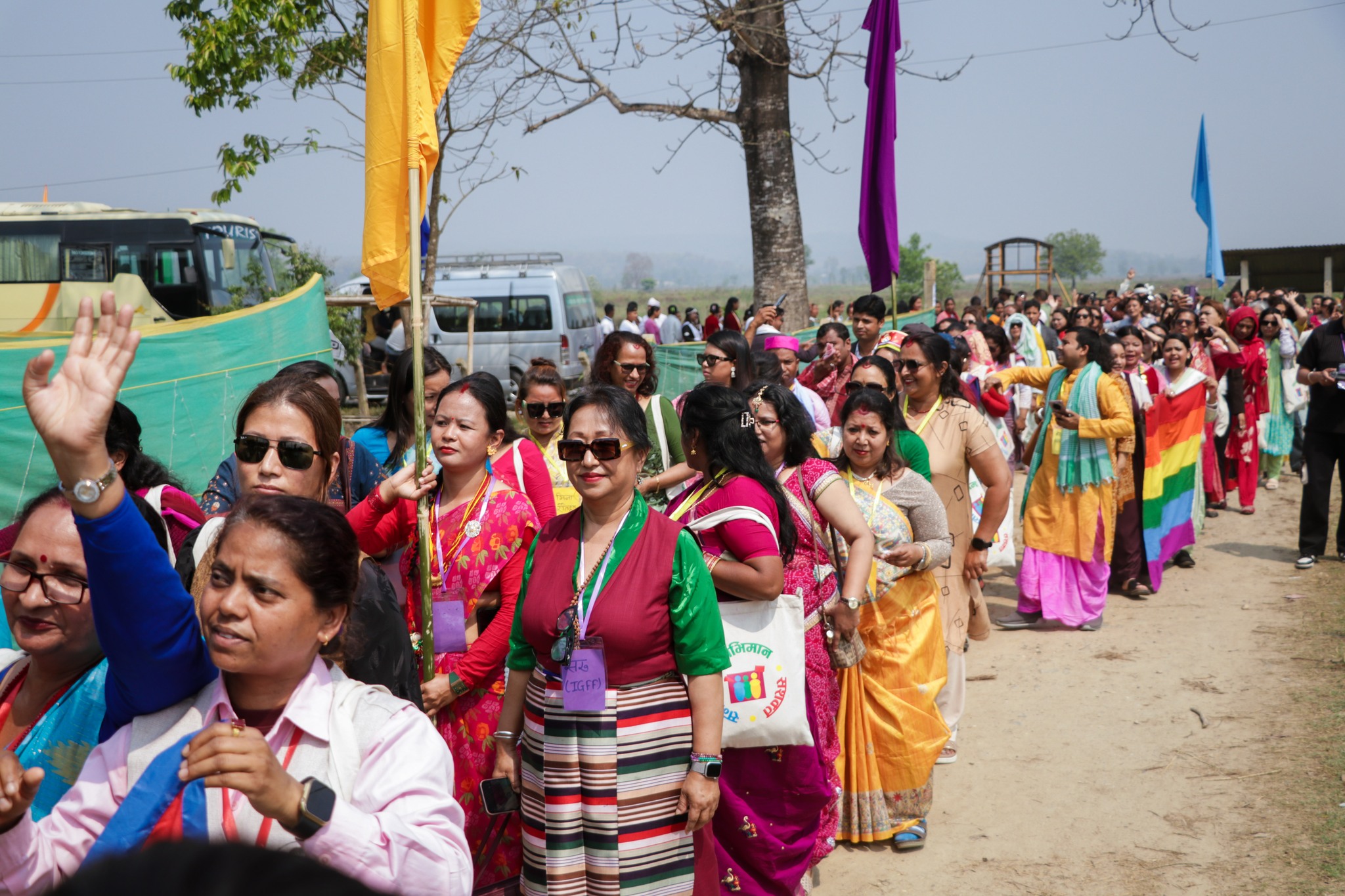
Cultural activities on the final day, including province-wise parades, traditional attire, performances, and collective slogan chanting, reinforced solidarity, community ownership, and mutual learning among participants. The closing session, led by co-coordinator Saloni Pradhan Singh with support from Dr. Susan Risal, provided space for participants to reflect on key takeaways and recommendations. Discussions emphasized translating solidarity into action, challenging structural barriers, supporting women candidates across social and political divides, and recognizing diverse contributions within the movement. The closing remarks also acknowledged the extensive coordination and commitment of the IGFF Secretariat, Steering Committee members, Padmalaya and Nagarik Aawaz teams, Tewa, and volunteers, whose collective efforts ensured an inclusive, well-organized, and impactful convening.
The IGFF Annual Convening 2026 successfully strengthened political awareness, deepened feminist solidarity, and reinforced a shared commitment to advancing women’s leadership in Nepal. By fostering dialogue, capacity-building, strategic reflection, and actionable commitments, the convening laid a strong foundation for sustained feminist leadership, increased women’s political participation, and the continued expansion of the Anupam Abhiyan movement in the years ahead.


Leave a comment